
Measuring Driver Attention Using BCI During Manual and AI-Assisted Driving
Project Overview
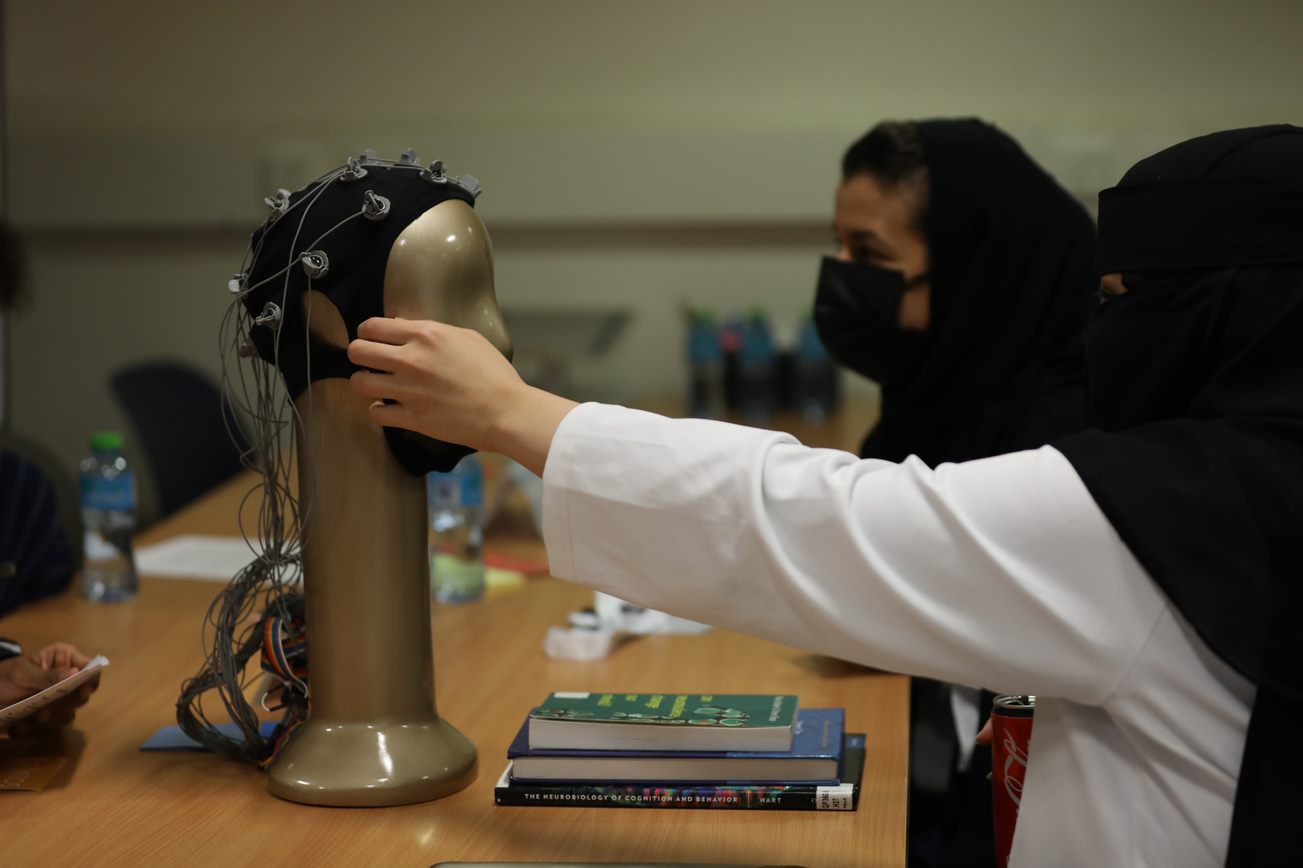
This project investigates how brain-computer interface signals can be used to assess driver attention in different driving modes, including manual driving and AI-assisted driving with cruise control. The study focuses on whether attention shifts when drivers rely on automation and how these changes could inform safer human-AI interaction in vehicles.
Research Aim
To explore whether EEG-based attention indicators can distinguish between manual driving, cruise control, and distracted driving conditions.
Proposed Methodology
Students will conduct a literature review on EEG, attention, and driver monitoring. A controlled simulator-based study can be designed using driving videos, a simple driving simulation, or a mock driving task. EEG data, self-reported workload, and behavioral indicators such as reaction time can be collected or analyzed from pilot sessions.
Expected Deliverables
An experimental protocol, a pilot dataset or analysis plan, visualizations of attention-related patterns, and recommendations for driver monitoring systems.
Project Media